


Plastic Leather Explained: PU vs PVC, Pros & Care
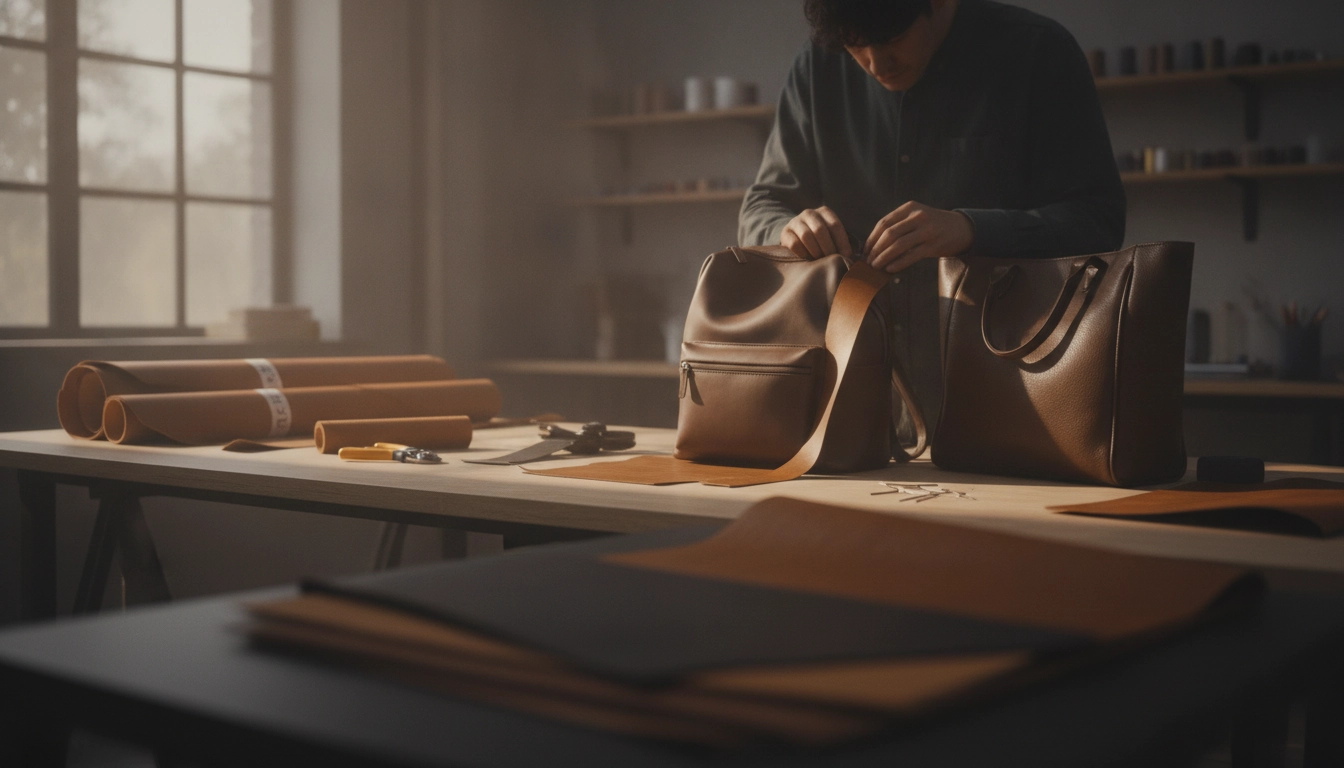
What is plastic leather?
Plastic leather is a leather-like material made primarily from synthetic plastics rather than animal hide. It’s commonly sold as faux leather, vegan leather, pleather, PU leather (polyurethane), or PVC leather (polyvinyl chloride). The goal is to mimic the look and feel of real leather while offering a lower-cost, more uniform, and often more water-resistant surface.
How plastic leather is made
Most plastic leather starts with a fabric backing (such as polyester or cotton) that adds strength and flexibility. A plastic coating—typically polyurethane or PVC—is applied on top, then embossed with a grain pattern to imitate leather. Some versions include a protective topcoat that improves stain resistance and reduces scuffing.
Common types of plastic leather
PU leather is generally softer and more flexible, with a more “leather-like” drape. PVC leather is often tougher and more water-resistant, but it can feel stiffer and may be less breathable. Both are widely used for upholstery, fashion accessories, car interiors, and trim pieces where a consistent finish matters.
Pros and cons compared to real leather
Plastic leather can be easier to wipe clean, tends to be more budget-friendly, and comes in a wide range of colors and textures. On the downside, it can crack, peel, or get sticky as it ages—especially when exposed to heat, sun, oils, or harsh cleaners. Real leather can often be conditioned and restored over time, while plastic leather typically relies more on surface care to prevent premature wear.
How to care for plastic leather (and similar vinyl/plastic surfaces)
Use a mild soap-and-water solution for routine cleaning, then dry with a soft cloth. Avoid solvents and aggressive degreasers that can strip coatings. For plastic trim and vinyl surfaces that look faded or chalky, a dedicated restorer can help bring back a darker, more even appearance. For practical guidance on restoring black plastic trim and vinyl, see this back-to-black restorer guide.
FAQ
How do you clean faux leather without damaging it?
Wipe it with a soft cloth dampened with mild soap and water, then dry immediately. Skip abrasive scrubbers, alcohol-heavy cleaners, and solvents that can dull the finish or cause peeling.














Leave a comment