


Burberry Shirt Materials: Cotton, Poplin, Twill & More
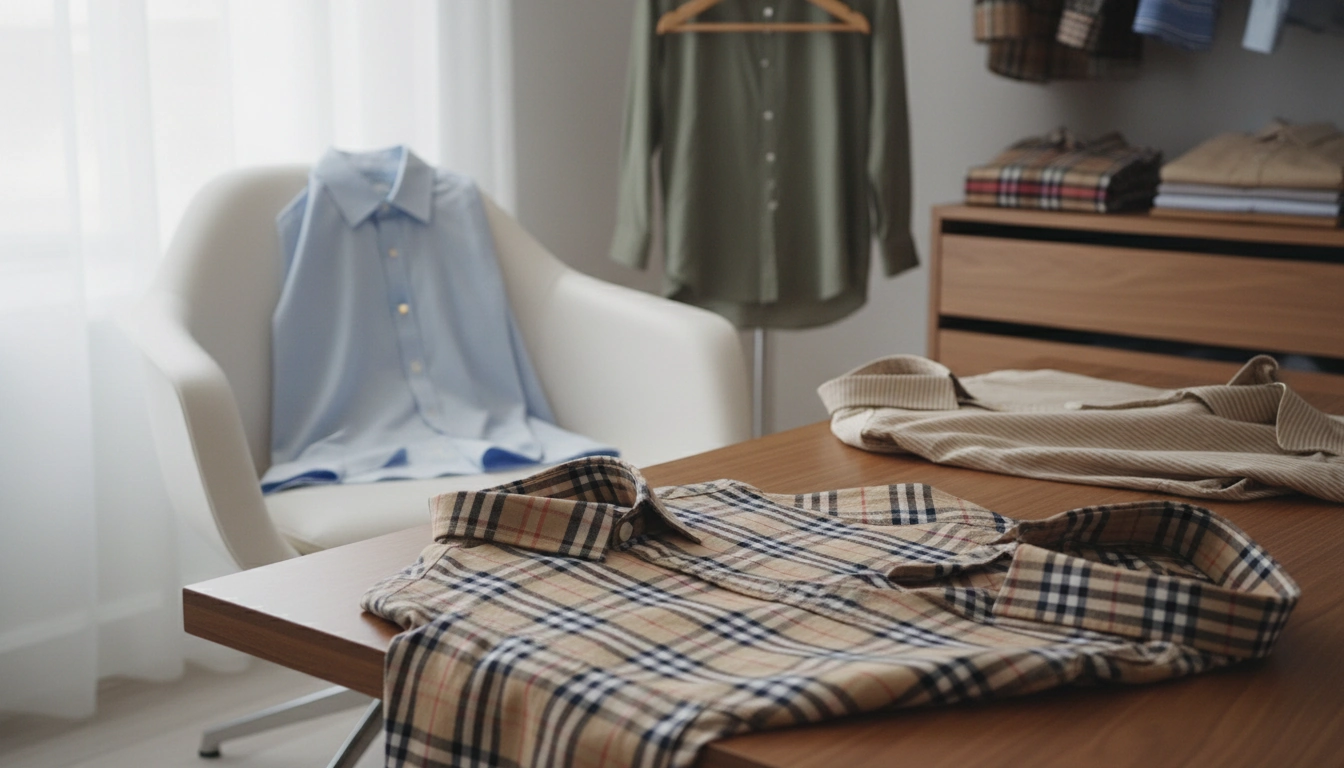
What material are Burberry shirts made of?
Burberry shirts are made from a range of fabrics, but the most common (and most recognizable in the brand’s casual and heritage-inspired styles) is cotton—especially crisp cotton poplin, cotton twill, and cotton oxford weaves. Many of Burberry’s classic button-downs and logo or check-accented shirts lean on high-quality cotton because it holds structure well, feels breathable, and works across seasons.
Beyond standard cotton, Burberry also uses cotton blends and seasonal materials depending on the collection. You may see a touch of elastane for added stretch, or blends that improve wrinkle resistance and softness. In warmer drops, lightweight cottons and linen or cotton-linen mixes can appear; in colder seasons, heavier weaves and flannel-like cottons are more common for warmth and texture.
How to confirm what your Burberry shirt is made of
The most reliable place to check is the care/contents label inside the shirt. It lists the exact fiber composition (for example, “100% cotton” or a blend). Retail product pages and hangtags typically mirror that information, but the sewn-in label is the final word—especially for older pieces and archive finds.
If you’re shopping secondhand, ask for a clear photo of the interior label and any model or style identifiers. Fabric names like poplin, oxford, or twill describe the weave and feel, while the fiber content tells you what the shirt is actually made from.
Why cotton shows up so often in Burberry shirts
Cotton offers the clean drape and polish that suit Burberry’s tailored, British-inspired look. It also handles detailing—like the iconic check lining or contrast plackets—without feeling bulky. With proper care, quality cotton shirts keep their shape and color well over time.
For a deeper breakdown of Burberry cotton shirts—plus fit notes, care tips, and styling—visit this Burberry cotton shirt guide.
FAQ
How do you wash a Burberry cotton shirt without damaging it?
Use the care label as your guide, but a gentle cycle in cold water and mild detergent is a common safe approach. Avoid high heat in the dryer, and consider air-drying to help prevent shrinkage and preserve the fabric’s finish.















Leave a comment