


Double-Sided Cartoon Cotton Bib for Drool & Spills
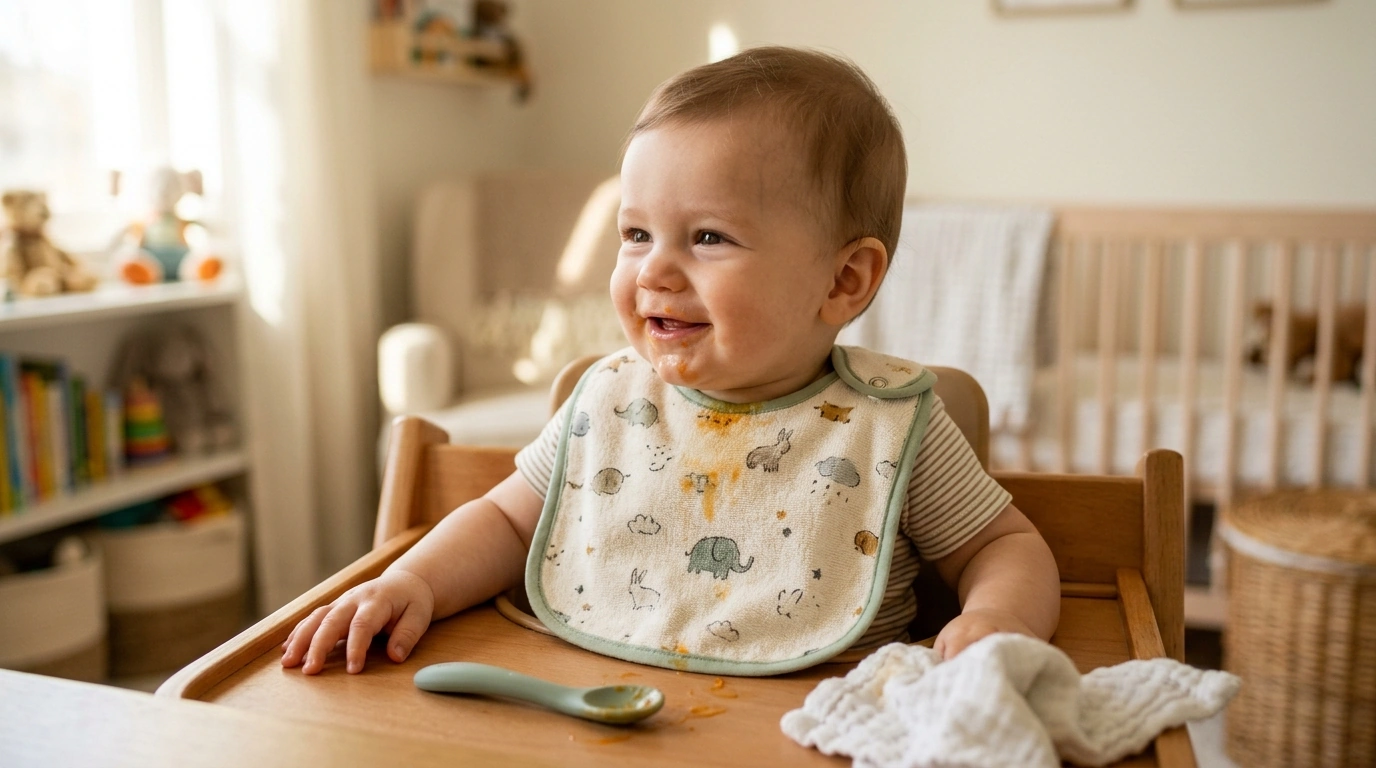
Cartoon Cotton Baby Bib Double-Sided Soft Absorbent Saliva Towel: a simple essential for everyday drool
A soft, double-sided cotton bib can make day-to-day baby care feel much easier—especially during drooling-heavy teething weeks, bottle feeds, and the first adventures with purées. The right bib helps keep outfits drier, reduces frequent shirt changes, and stays gentle on sensitive skin around the neck and cheeks. Below is a practical guide to choosing an everyday bib, why double-sided cotton can be a smart pick, and how to keep bibs clean, soft, and absorbent.
What makes a good everyday baby bib
Not all bibs feel the same once they’re on a wiggly baby for an hour. A good daily bib is the one that disappears into the routine—comfortable, dependable, and easy to wash.
- Comfort first: Soft cotton that won’t scratch the neck or irritate cheeks during teething and drooling.
- Absorbency that works: Fabric that pulls moisture in quickly so clothing stays dry longer and baby’s chest isn’t left damp.
- Secure, gentle closure: A fastening that stays put without feeling tight, plus smooth edges that don’t rub.
- Easy care: Machine-washable materials that hold up through frequent laundering.
- Practical coverage: Enough chest coverage where drool and spills land, without restricting arm or head movement.
If a bib feels stiff, bunches up, or leaves the neckline looking red, it’s usually a fit/finish issue—not something to “wait out.” Swapping to a softer, better-finished bib can help right away.
Double-sided cotton: how it helps with drool and small spills
Double-sided cotton bibs are designed for everyday life: small messes, frequent dribbles, quick wipe-down moments, and the occasional surprise spit-up. The key benefit is flexibility—when one side gets damp, you can often flip to the other side and keep going until the next full change.
- Two usable sides: Extends wear time between changes when one side becomes damp.
- Fast moisture pickup: Cotton fibers absorb quickly, helping reduce wetness against baby’s skin.
- Made for real routines: Handy during teething phases, stroller naps, car-seat rides, and short feeding sessions.
- Everyday style: Cartoon designs add a playful look that works for daily wear and quick photos.
| Feature | Single-sided bib | Double-sided cotton bib |
|---|---|---|
| Usable sides per wear | One | Two |
| Handling drool during teething | May need faster changes | Often lasts longer before a full change |
| Convenience on outings | Bring more spares | Can flip to a dry side |
| Care routine | Standard wash/dry | Standard wash/dry; check both sides for stains |
Material and skin-safety checklist
Drool sits right where skin is most likely to chafe—under the chin and across the upper chest. Choosing breathable, well-finished cotton helps reduce friction and “sticky damp” feeling that can aggravate sensitive skin.
- Breathable cotton: Helps prevent heat and moisture buildup around the neck and chest.
- Smooth seams and edges: Well-finished stitching reduces rubbing during head turning and chewing.
- Don’t leave damp fabric on too long: Even absorbent bibs should be changed once saturated.
- Check closures routinely: Replace bibs if fastening strength decreases or if edges become rough.
For drool rash concerns, practical guidance from pediatric resources can be helpful, such as the American Academy of Pediatrics’ HealthyChildren.org (search their site for saliva irritation and drool rash topics). Good hygiene habits also matter during feeding and cleanup; the CDC’s hygiene basics offers a solid overview.
Fit, coverage, and closure tips for different ages
A bib that fits well stays flat and comfortable—no bunching at the neck, no rubbing at the collarbone, and no bulky layers behind the neck (especially important for car seats).
Care and cleaning: keeping cotton bibs soft and absorbent
When to change the bib (and why it matters)
Product snapshot: Cartoon Cotton Baby Bib Double-Sided Soft Absorbent Saliva Towel
If you’re building a practical bib stash for daily drool, dribbles, and small spills, the Cartoon Cotton Baby Bib Double-Sided Soft Absorbent Saliva Towel is a budget-friendly option designed for everyday wear. The double-sided design can be especially useful on outings—flip to a dry side, then change fully once both sides are damp.
| Item | Details |
|---|---|
| Name | Cartoon Cotton Baby Bib Double-Sided Soft Absorbent Saliva Towel |
| Price | USD $4.97 |
| Availability | In stock |
| Product page | View product |
Two more helpful, in-stock picks for the daily routine
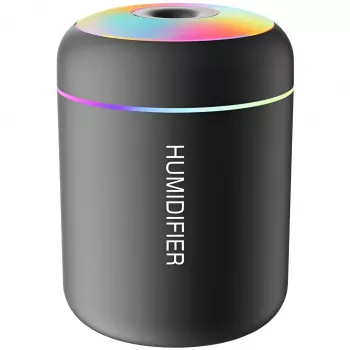
- Mini USB Aroma Humidifier & Essential Oil Diffuser with Soft LED Light (handy for adding moisture to dry indoor air in small spaces; keep placement safely out of baby’s reach).
- 65W GaN USB C Fast Wall Charger with Quick Charge (useful for powering a phone during long feeding sessions, contact naps, or travel days).
FAQ
How many bibs are needed for a day?
Most families use about 3–8 bibs per day depending on drooling, teething, and how often baby feeds. Double-sided bibs can help reduce the number you need to pack for outings, but once a bib is saturated, it should still be changed.
Can a cotton bib help prevent drool rash?
An absorbent cotton bib can help by keeping the chin and upper chest drier, which reduces irritation from constant wetness. Frequent bib changes, gently patting skin dry, and keeping folds under the chin clean are just as important.
How should cotton bibs be washed to stay absorbent?
Wash with a gentle detergent, rinse thoroughly, and avoid fabric softeners, which can reduce absorbency over time. Dry on low heat or air-dry to help the fabric stay soft and comfortable.














Leave a comment