


PVC Leather Cons: Cracking, Comfort, and Eco Concerns
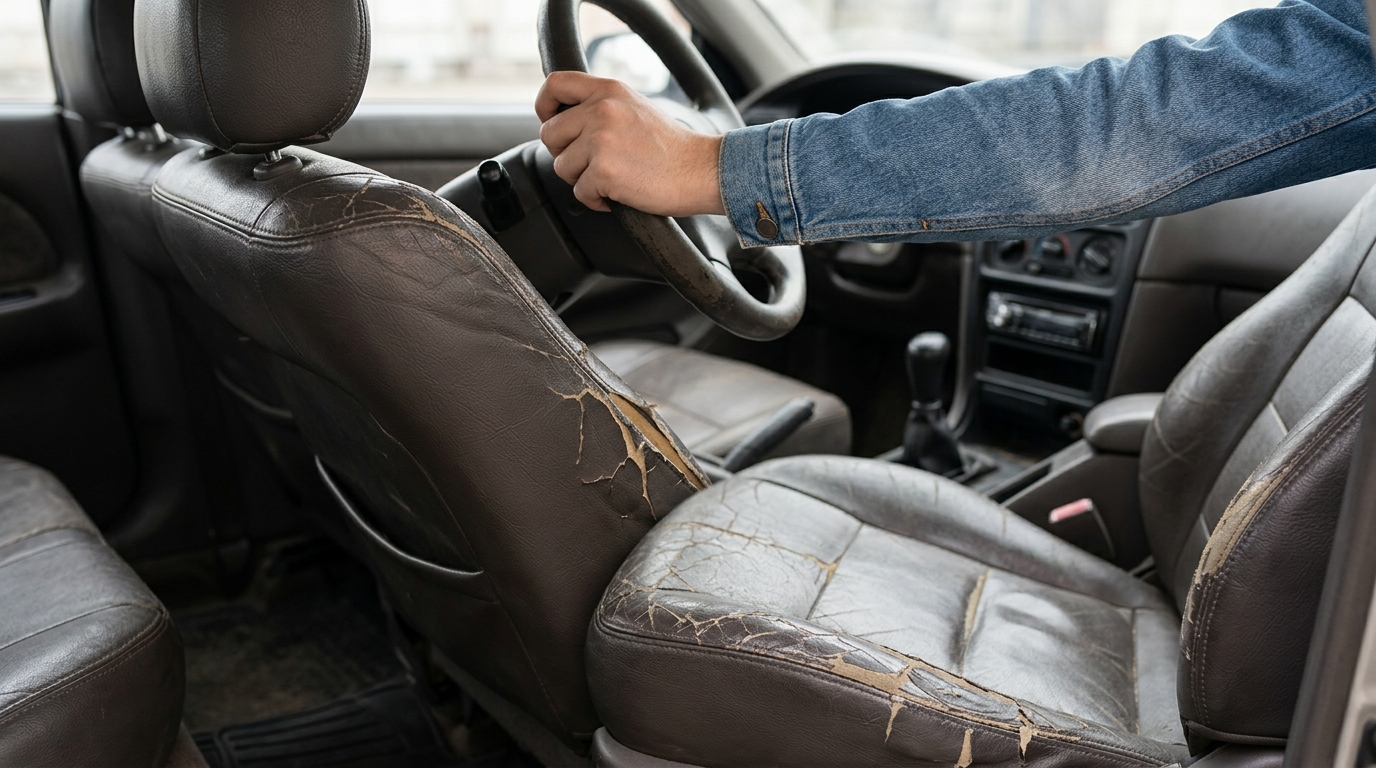
What are the cons of PVC leather?
PVC leather (sometimes called vinyl leather) is popular because it’s affordable and easy to wipe clean, but it comes with trade-offs that matter for comfort, longevity, and long-term value.
It can crack, peel, and stiffen over time
PVC is a plastic-based material, and its surface can dry out, harden, and develop cracks—especially in areas that flex a lot (seat edges, armrests, bag handles). Once the top layer starts peeling, it’s difficult to restore the original look because the damage is usually in the coating itself.
Heat and cold can accelerate wear
Temperature swings are rough on PVC. Heat can make it feel tacky or cause premature aging, while cold can make it stiff and more prone to cracking. In cars or sunny rooms, UV exposure can also lead to fading and brittleness.
Less breathable and less comfortable
PVC leather doesn’t breathe like natural leather, so it can feel clammy in warm weather and cold to the touch in winter. For items you sit on or wear for long periods, that reduced airflow can be a noticeable downside.
Odor and “plastic” feel
Some PVC products have a lingering chemical smell, especially when new. Even after airing out, the hand-feel may remain more plasticky and less supple than higher-end alternatives like polyurethane (PU) or genuine leather.
Environmental concerns
PVC production and disposal raise environmental questions: it’s derived from fossil fuels, can be challenging to recycle, and may involve additives that aren’t ideal from a sustainability standpoint. If eco-impact is a priority, this is often the biggest con.
Repairs and refinishing are limited
Unlike genuine leather, PVC doesn’t condition the same way, and repairs can be short-lived. When the surface loses color or gloss, a coating-style refresh can improve appearance on many vinyl/plastic surfaces; for related tips, see this guide to back-to-black restorers and gloss coatings for plastic trim and vinyl.
FAQ
How do you care for PVC leather to make it last longer?
Wipe it regularly with a soft damp cloth, avoid harsh solvents, and keep it out of direct sun or extreme heat when possible. For heavier grime, use a mild soap solution, then dry completely to reduce cracking and surface damage.













Leave a comment