


Newborn vs Toddler Bib Size: Fit, Coverage, Tips
How do I choose the right baby bib size for a newborn vs. a toddler?
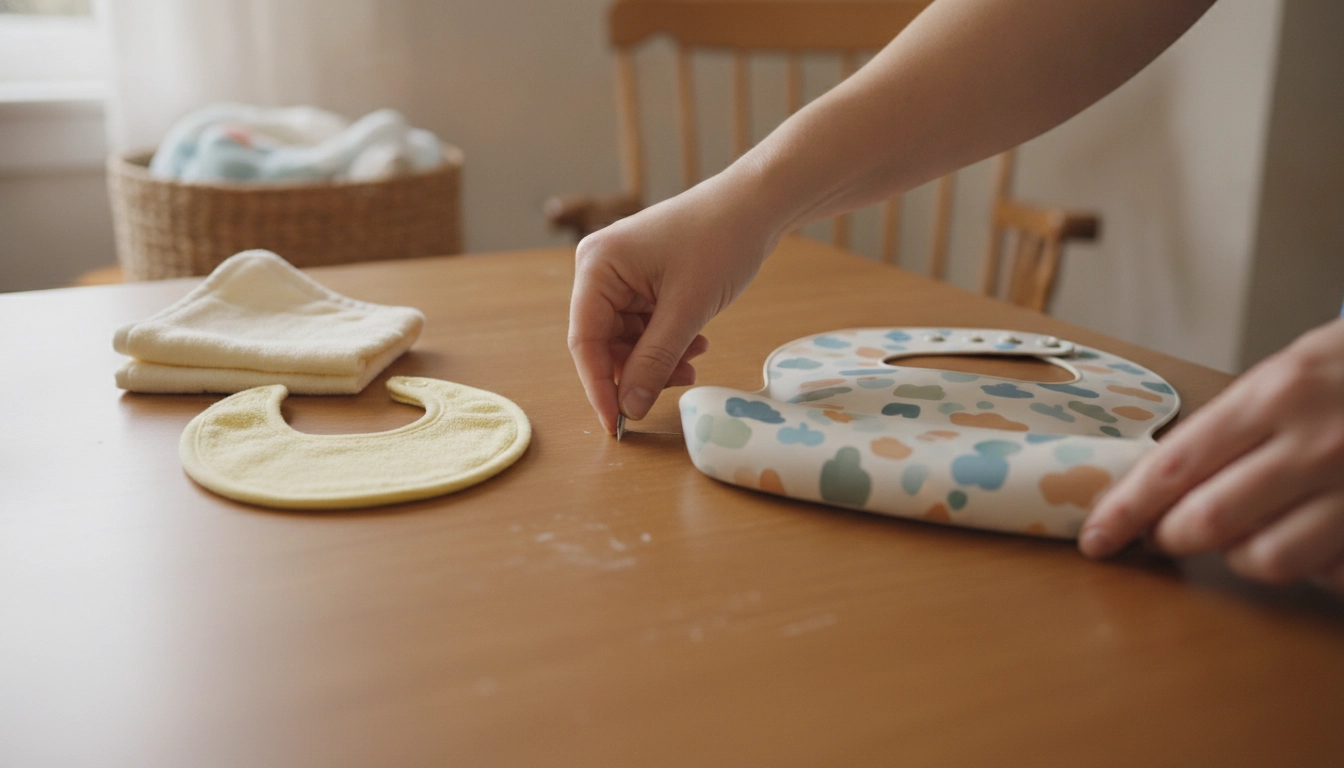
The right bib size comes down to two things: neck fit and coverage. Newborns need a smaller neck opening and a shorter bib panel so it sits comfortably under the chin without bunching. Toddlers need a wider neck range and longer, broader coverage to catch bigger spills and keep clothes drier during meals and teething.
Newborn bib sizing: what to look for
For a newborn, prioritize a gentle, snug-but-not-tight neck closure and lightweight fabric. A bib that’s too large can ride up toward the face or fold under the chin, which is uncomfortable and messy. Look for adjustable snaps or soft hook-and-loop closures that can be set small, plus an absorbent front for drool. A compact shape is usually enough because newborn feedings create smaller, more localized messes.
Toddler bib sizing: what to look for
Toddlers move more, lean over plates, and often spill farther down the chest. Choose a bib with a longer front panel (and sometimes wider sides) so it protects shirts during self-feeding. A larger neck range matters, too—toddlers grow quickly, and a bib that’s tight at the neck gets tugged or refused. If your toddler is a heavy drooler or a messy eater, consider thicker cotton or a double-layer design for extra absorption.
Quick fit checks before you buy
1) Make sure you can fit two fingers comfortably between the bib and your child’s neck. 2) Confirm the bib sits flat on the chest without curling. 3) Check that the bottom edge reaches the upper chest for newborns, and mid-chest or lower for toddlers. For more practical tips on absorbency and materials, see the guide here: double-sided cotton baby bib drool and spills guide.
FAQ
How many bibs do I need for a baby?
A good starter range is 8–12 bibs if your baby drools a lot or spits up often, so you can rotate through laundry days. For lighter drool, 4–8 may be enough.












Leave a comment